Ceramic coatings reward good habits. Treat the surface well and it will stay slick, bead aggressively, and resist grime. Get lazy with technique and you can mute the gloss, trap film, or mark the clear. The chemistry is robust, but the layer is microscopically thin. Maintenance is about controlling friction, contamination, and water quality so the coating can do what it does best.
I have seen the same car look incredible for years with routine care, and I have seen the same coating look tired in six months because of careless washes. The difference lives in small choices, like how you rinse, how often you decontaminate, and whether you let water dry on hot panels. What follows is the practical routine, the why behind each step, and the edge cases that catch people out.
What a ceramic coating can and cannot do
A ceramic coating is a hardened polymer or SiO2 rich layer that bonds to clear coat. It raises surface energy in a way that makes water and grime less adhesive. It resists chemicals better than waxes and sealants, and it can tolerate higher wash pH without breaking down. Micro marring resistance improves, but it is not armor. If you drag a gritty mitt across a dusty panel, you can scratch the clear through the coating.
Paint correction before coating matters. Locking in haze, swirls, or sanding marks means you will be staring at those defects under a bright, glassy sheen. I often tell customers that coatings are amplifiers. If the panel is dialed in, the coating looks breathtaking. If not, clarity drops. A reputable car detailing service should discuss correction depth, panel thickness, and your goals before laying a coating.
Coatings and paint protection film are not the same. Paint protection film is a urethane layer, typically 6 to 8 mils thick, with real impact resistance. Ceramic coating adds minimal thickness, measured in microns, and does not stop rock chips. You can ceramic coat PPF to ease cleaning and reduce staining, but the maintenance cadence for film has its own quirks that I will cover later.
The curing window and first month expectations
Most professional coatings flash within minutes and reach initial cure in 12 to 24 hours, but full chemical cure may take 5 to 7 days depending on brand, humidity, and temperature. During this period, avoid washing and do not let water dry on panels. If the car gets wet, blot gently with a clean drying towel or blow it off.
Fresh coatings can sometimes show high spots, those slightly darker or rainbow patches where product flashed unevenly. On delivery, I like to walk the vehicle outside with the owner because certain high spots only reveal themselves at low angles in natural light. If you spot one at home within the first week, note the location. Gentle polishing with a finishing pad and dedicated coating polish may be needed, and that reopens the area for a spot recoat.
Here is a simple first month playbook that keeps you out of trouble:
- Keep the car in a garage or shaded area if possible for the first 48 hours. Avoid washing for at least 7 days, unless instructed otherwise by your installer. If the car gets rain spots, gently rinse and blow dry, do not wipe a dusty surface. Skip waxes or unknown toppers. If you want a booster, use the one specified by your coating manufacturer. Steer clear of automatic brushes. Touchless is acceptable if you rinse thoroughly afterward.
The wash that actually preserves gloss
A good wash is a sequence that reduces friction. You want to float films off the surface before you touch it, reduce the amount of grit on your mitt, and dry without mowing the towel across the paint. If water is hard in your area, you also want to manage minerals so they do not etch or spot.
Start with timing. Wash in shade, with panels cool to the touch. Early morning or late afternoon works. Hot panels flash water quickly and trap minerals in place.
Begin with a high volume rinse to knock off loose dust and salt. A pressure washer helps, but you do not need to chase factory badges from three inches away. Use a 25 degree or 40 degree nozzle at a conservative distance, about 12 to 18 inches. Rinse from the bottom up to minimize dripping streaks, then top down to flush. If you are working with a hose, a strong free flow without a spray head can sheet water and leave less behind.
Pre wash with a foaming soap or citrus pre cleaner that is safe for coatings. The goal is cling time, not thick shaving cream. A consistent blanket that sits for 3 to 5 minutes breaks down road film, bug protein, and bird residue. Do not let it dry. Rinse again to remove the loosened film.
Use a two bucket method with grit guards if possible, or a bucket and a dedicated rinse pail. A pH neutral wash soap with high lubricity is your friend. I like to keep at least four wash media on hand for one vehicle, such as two mitts and two plush pads, so I can rotate to a clean face often. Start on upper panels and glass, then move to mid sections, then lower and rear. Wheels get separate tools and buckets. Do not mix them back into paint tools.
If you find a bonded contaminant during washing, resist the urge to muscle it off. Pause and soft soak it with a bug remover, enzyme cleaner, or warm water towel. On a coated car, bonded grit is less common early on, but road tar and sap happen.
A step by step maintenance wash for coated cars
- Rinse thoroughly, bottom up then top down, to remove loose grit. Foam or pre soak, allow dwell time, then rinse. Contact wash with a slick, pH neutral soap using multiple clean mitts, top to bottom. Rinse, then gently sheet water with a hose to minimize droplets before drying. Blow dry with filtered air and finish remaining droplets using clean, plush towels and a light ceramic detailer as a drying aid if the manufacturer allows it.
That fifth step matters. Drying aids reduce friction and trap any late stage dust the rinse did not remove. Use a minimal amount and keep towels clean. Fold your towel into quadrants and swap to a fresh face each panel.
Drying without marring
The safest dryer has no nap. Air. A compact blower with a filtered intake works wonders on badges, mirrors, and wheels. For body panels, a big, plush drying towel does fine as long as you do not drag grit across it. Blotting beats wiping. Lay the towel, pat, lift, and move. Where wiping is needed, keep pressure feather light and let the towel glide.
Hard water turns drying into a race. If your area is over 120 ppm TDS, consider an inline deionized rinse or fill your rinse bucket with softened or distilled water. Even a five gallon jug of distilled for a final sheet over each panel can make a visible difference. Minerals are harsh on coatings, and they can create stubborn spots that need acid chelators to remove.
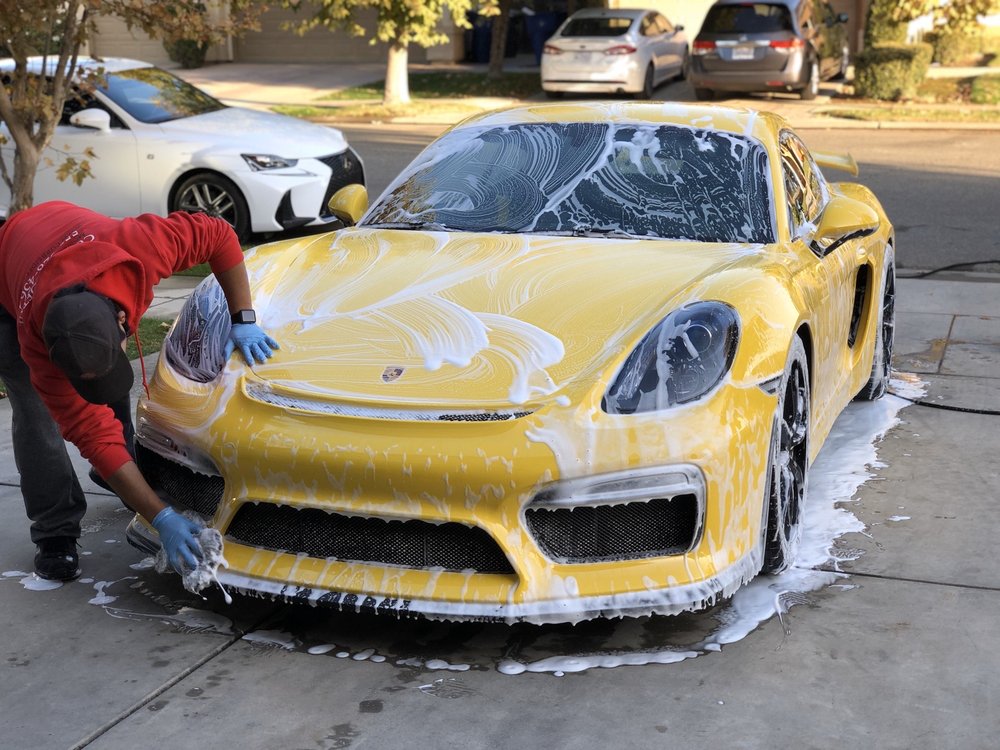
Wheels are sand traps. Dry them with separate towels that never touch paint. Brake dust has sharp particles that cut.
The role of decontamination and toppers
Even a good wash leaves behind invisible road film, and coatings pick up metallic dust, tar, and water minerals over time. Decon resets the surface so hydrophobics and gloss return. The trick is to decon without grinding contamination into the clear.
Iron fallout removers dissolve ferrous particles chemically. Use them on paint and wheels as needed, usually every 3 to 6 months in urban or industrial zones, less often in rural areas. Tar removers break down asphalt spots and rubber transfer. Citrus based products are kinder to trim and PPF edges, but give them time to work.
Avoid clay bars on coated paint unless you have to. If you do clay, choose a very fine grade and use copious lubrication. A clay mitt can be efficient, but it is easy to overdo it on soft clear coats. After any claying, a light finishing polish might be required to re level the gloss, which means the coating in that area becomes thinner or may need a topper.
Toppers and silica sprays keep the surface slick and help self cleaning. They are not a replacement for the base coating. I like to use a compatible topper every 4 to 8 weeks, lightly, after a wash. Too much product can streak, especially on hot or dark panels, and the residue can mask water behavior in a way that falsely suggests the base coating failed.
Troubleshooting common issues before they get serious
Water beading looks flat or dead after a few months. That does not always mean failure. It often means road film. Try a decon wash with an alkaline pre wash, then an iron remover, then a topper. If behavior returns, the coating is intact. If not, talk to your installer about the age, mileage, and options.
High spots show as dull or rainbow blotches. You can reduce them with an abrasive cleaner only if they are recent and light. On cured, hardened spots, a light polish with a soft finishing pad works, but you sacrifice coating there. The best outcome is to revisit the installer for a spot correction and reapplication. Take note of panel and location under natural light.
Water spots etch. On white and silver, they can hide for months. Use an acid based water spot remover that is safe for coatings, test a small area, and rinse thoroughly. If the spot does not budge, it might be etched into the clear coat. That calls for measured polishing, and if you remove etching, recoat that section.
Bug and bird strikes are time sensitive. Proteins and acids can pit clear in hours on hot days. Keep a small kit in the trunk: a soft spray bottle with distilled water, a gentle bug remover, and microfiber towels in a sealed bag. Soften the mess, lift it, do not scrub. When you get home, wash the area properly.
Winter road salts and brines bake into wheel barrels and lower rockers. Rinse those areas thoroughly and consider a mid week touchless rinse just to knock off salt. If you drive where mag chloride is common, coat the wheel barrels and calipers at the time of your ceramic service. That one step pays dividends every winter.
Automatic car washes, touchless options, and reality checks
Brush tunnels are a bad idea for coated cars. Brushes collect grit and slap it into your paint. If you must use a tunnel, choose touchless and expect potent detergents that can strip toppers. Follow that visit with a thorough hand wash as soon as possible to remove the remaining film.
If you live in an apartment or a water restricted area, a rinseless or waterless wash can be safe on lightly soiled cars. Mix at the coating safe ratio recommended by the product maker, flood your towel with solution, and wipe with minimal pressure, flipping to a clean face frequently. Even so, do not attempt this on gritty or salty cars. Dirt load matters more than method promise.
Maintenance for ceramic on paint protection film
Coated PPF needs gentler chemistry than coated paint. Solvent heavy tar removers and strong alkaline degreasers can swell edges or haze film if left to dwell. Use PPF safe bug and tar removers and avoid scrubbing edges. Most self healing films relax minor swirls under heat. A warm garage or a low heat pass from a safe distance with a heat gun can reduce light marring. Do not chase correction on film the way you would on clear coat. Aggressive polishing can thin the top coat of PPF and create uneven gloss.
Edges and seams trap grime. During the wash, push foam into those seams with a soft brush, then rinse at an angle so you do not lift the edge. Dry by blowing outward from the edge to push water out rather than into the seam.

Glass, trim, and the windows you actually touch
If your vehicle has a window tinting service applied, go easy on the interior glass. Avoid ammonia and use tint safe glass cleaners with microfiber that has stitched or edgeless seams. On exterior glass, a ceramic coating or dedicated glass coating will shed rain at speed, but wiper chatter can occur if contamination builds. Clean wiper blades with isopropyl alcohol, then top the glass with a compatible spray. If chatter persists, decon the glass with a dedicated glass polish or a very fine pad, then reapply the glass topper.
Uncoated black plastics chalk and fade quickly. If your trim has a ceramic trim coating, wash it with the same pH neutral soap, avoid solvent dressings, and top it lightly when you top the paint. If it is bare plastic, avoid oily dressings that sling onto coated paint and attract dust.
What we teach during handovers at Os Pro Auto Detailing
At Os Pro Auto Detailing, we try to hand over more than a shiny car. We walk through the first month, show where high spots might hide, and demonstrate the rinse and sheet technique. On darker colors, we emphasize towel management because a single gritty face can leave a long trail. When we set up a maintenance plan, we tailor it to how and where the car lives. A daily driver that sleeps outside near sprinklers needs different care than a weekend car tucked in a climate controlled garage.
We also encourage customers to text photos when they are unsure. A cloudy patch on a hood could be a topper streak or a mineral deposit, and the remedy is different. Rapid feedback keeps small issues from turning into polishing sessions.
Os Pro Auto Detailing maintenance wash walkthrough
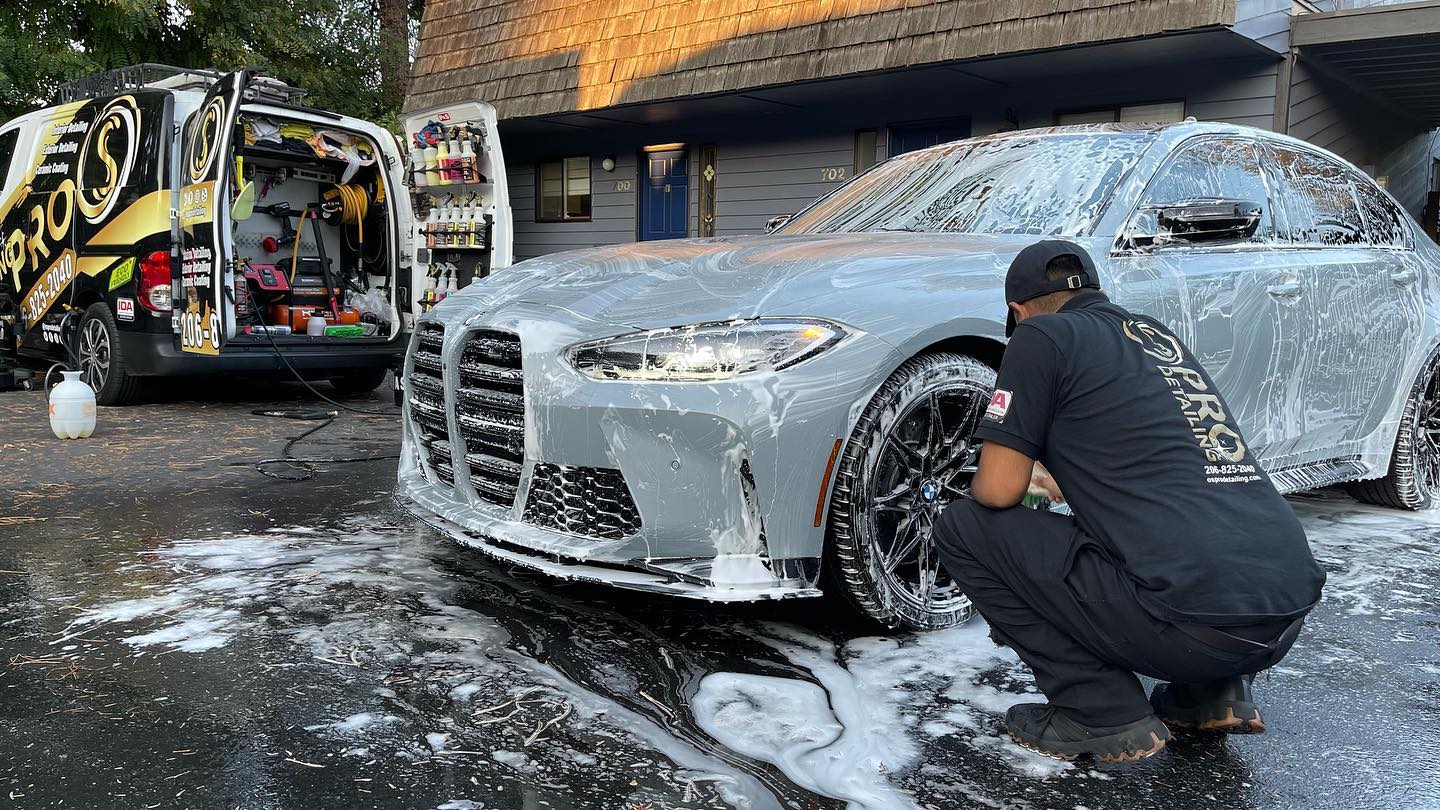
Here is how a typical maintenance wash looks when we send a mobile detailing unit to a client’s driveway. First, we test rinse water with a TDS meter. If it is high, we switch to our DI tank for final rinse and drying. We pre rinse, foam, car detailing service and let it dwell. While the foam works, we hit badges, grills, and emblems with soft detail brushes, then rinse thoroughly. The contact wash uses two buckets, grit guards, and multiple mitts, plus a separate set for wheels and tires.
Drying starts with a blower to chase water out of mirrors, handles, and emblems. For paint, we blot and lightly glide a plush towel. If the coating brand specifies a maintenance spray, we use a light mist on each panel. The goal is not to mask the base layer, but to keep it clean and slick. Wheels and tires get their own sequence, and we keep those towels quarantined.
If we see early signs of fallout or tar, we schedule a quarterly decon wash. On vehicles that had paint protection film applied, we adjust product selection and dwell times to respect the film’s chemistry and seams.
When the coating seems to be failing
There are two patterns I see. The first is a true failure where hydrophobics never return after a decon, the surface feels grabby even after a fresh wash, and contamination builds faster than it should. The second is a perceived failure caused by topper buildup or hard water deposits. Toppers can mute beading if they are layered thick or if incompatible products are mixed. Minerals scatter light and alter water behavior even though the coating below is fine.
If you are not sure, strip toppers with a mild alkaline pre wash, rinse thoroughly, use an iron remover, rinse, then apply a brand compatible topper once. Assess the feel and behavior over a few days. If it remains flat, measure the timeline. Many consumer coatings deliver 1 to 3 years under mixed conditions. Pro only products with multi layer systems can extend that, but the spread depends on wash technique, mileage, and storage. An honest assessment weighs those variables instead of a simple calendar claim.
Seasonal adjustments that matter
Summer sun bakes sap and bird fallout. Park in shade when possible, keep that emergency kit in the trunk, and wash more frequently, even if it is just a rinse and blow dry midweek. In fall, leaves drop tannins that can stain. Do not let leaf piles sit on the hood or cowl. Blow them off before they get wet.
Winter needs more rinsing and undercarriage attention. If your area uses brine, rinse the lower doors, rockers, and wheel wells often. A warm water bucket helps break film quicker on cold panels. Drying in freezing temperatures is tricky, so lean on air and siphon off water from door jambs to prevent overnight freeze.
Spring pollen sticks to everything. Pre foaming and a gentle rinse can remove a surprising amount before you touch the paint. Avoid dry dusting pollen. It is more abrasive than it looks.
How a car detailing service can complement your routine
A thoughtful car detailing service slots into your schedule rather than replacing your own care. Quarterly decon and topper services refresh the surface and catch developing issues, like adhesive rings from old stickers, or early etching around washer nozzles. Biannual interior details keep tint edges and leather seams clean without saturating them. If you are balancing work and family, periodic mobile detailing ensures the wash cadence does not slip during the busy months.
Window tint and coatings intersect too. Interior glass maintenance protects the film, and exterior glass coatings improve safety in rain. If your vehicle received a window tinting service recently, any glass polishing should avoid interior panels, and installers should label film edges to prevent confusion later.
Paint correction is not a one time concept
Correction is a spectrum. Heavy defects demand multi step polishing before coating. Light wash marring on a two year old coated car might polish out with a single step refining pad, but that reduces the remaining coating in that area. The decision to spot correct should weigh appearance against the cost of opening the coating and reapplying locally.
Some owners prefer to live with tiny marks and keep the coating intact until a full refresh is due. Others want a flawless hood and are comfortable with a local recoat. Neither path is wrong. The right answer reflects how you use the vehicle and how much visual perfection you want day to day.
Why even good coatings need smart chemistry choices
Soap choice influences how the surface feels weeks later. Mild pH neutral shampoos for weekly washes, an alkaline pre wash every month or two to strip traffic film, and brand compatible toppers create a sustainable loop. Random product stacking often causes streaks, smears, and false readings of hydrophobics. If you stick to one coating system, you reduce those mismatches.
Solvents and acids have their place, but they need care. Use tar removers on cool panels, avoid flooding PPF edges, and rinse thoroughly. Water spot removers should not dwell long on glass trim or piano black plastics. Always test a hidden area.
Observations from Os Pro Auto Detailing field work
Os Pro Auto Detailing has looked after daily drivers that sit outside through rain, sprinklers, and searing sun. The owners who win long term follow a light but consistent rhythm. They rinse when the car is dusty, wash weekly or every other week, decon seasonally, and keep towels clean. One client with a black SUV parked near reclaimed water sprinklers kept a small DI canister for a quick rinse and blow dry in the evenings. Three years later the coating still beads like day one, and the paint reads deep under shop lights.
Another client loved touchless tunnels. The car always looked clean, but road film accumulated. We added a monthly hand wash to the mix and the gloss jumped. The coating had not failed, it was smothered by film. Small tweaks made the difference.
A minimalist toolkit that covers 90 percent of needs
You do not need a cabinet of niche products. A measured set works for almost everyone. A pH neutral wash, an alkaline pre wash, iron remover, a PPF safe tar remover, a glass cleaner safe for tint, a brand compatible topper, and a water spot remover fill the gaps. Add clean mitts, plush towels, a few small brushes, and a blower. Store towels by job type so paint towels never touch wheels, and wash them without fabric softeners, then air dry or low heat.
Replace mitts and towels regularly. If a towel snags your skin, it is done with paint duty. Use it for jambs or wheels. Keep a small log if you are meticulous, noting when you deconned or topped. Patterns help diagnose behavior changes later.
Final thoughts that keep cars looking honest and sharp
Ceramic coatings simplify cleaning and raise the ceiling on gloss, but they reward method. Keep friction low, manage minerals, and reset contamination on a schedule. Pay special attention to the first month, and be conscious of the products you stack on top. If your routine slips, a competent car detailing service or a mobile detailing visit can reset the surface before small issues turn into polishing projects.
Whether your car wears only a coating, or a mix of coating and paint protection film, the fundamentals stay the same. Cool panels, controlled chemistry, clean media, and patience. Keep those in place, and your coating will deliver the clarity and ease you paid for, season after season.
Os Pro Auto Detailing
12748 NE Bel Red Rd, Bellevue, WA 98005
(206) 825-2040
FAQs
How long does ceramic coating last?
Ceramic coating typically lasts between 2 to 5 years, depending on the product used, vehicle condition, and how well the coating is maintained.
What is included in paint correction?
Paint correction involves removing surface imperfections such as swirl marks, light scratches, and oxidation through polishing. This process restores clarity and enhances the overall gloss of your vehicle’s paint.
Is ceramic coating worth it?
Yes, ceramic coating provides long-term protection against UV rays, contaminants, and environmental damage. It also makes cleaning easier and helps maintain your vehicle’s appearance over time.